Climate Transition Investment Outlook in 2026
2026 is proving to be a pivotal year for climate transition-related investment. Economic pressures and sustainability ambitions have collided, leaving investors in a holding pattern. Instability in energy prices, policies and climate-related economic disruptions contribute to this year's stagnant investment towards climate transitions in the EU. Financial planning of investments requires a strong strategic justification and a clear financial logic due to the heightened uncertainties this year. Forward-looking business intelligence tools can support stronger decision-making to approach sustainability targets and strategies with financial discipline.

Get instant access
Link
Global Outlook: Record Transition Investment, and Record Strains
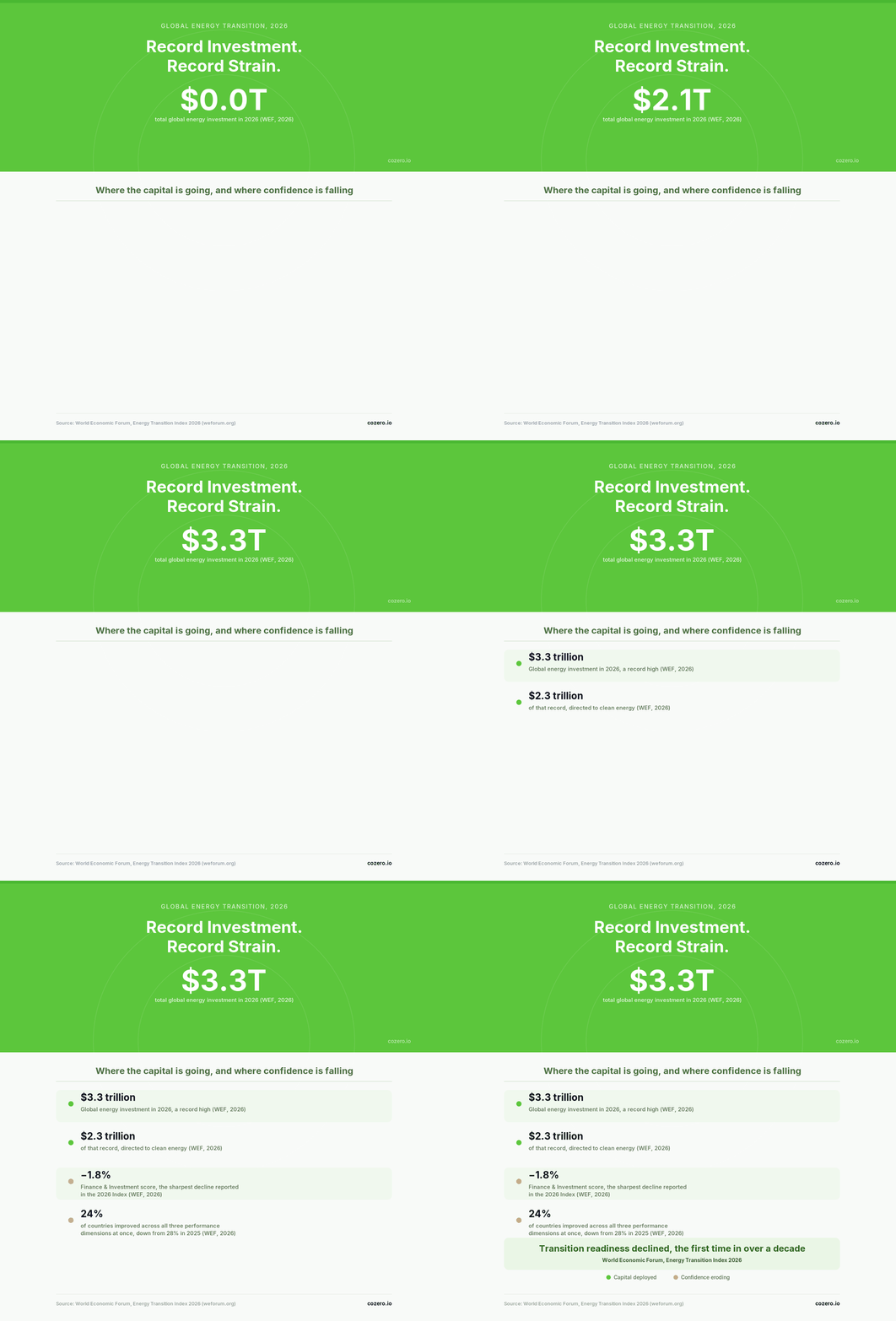
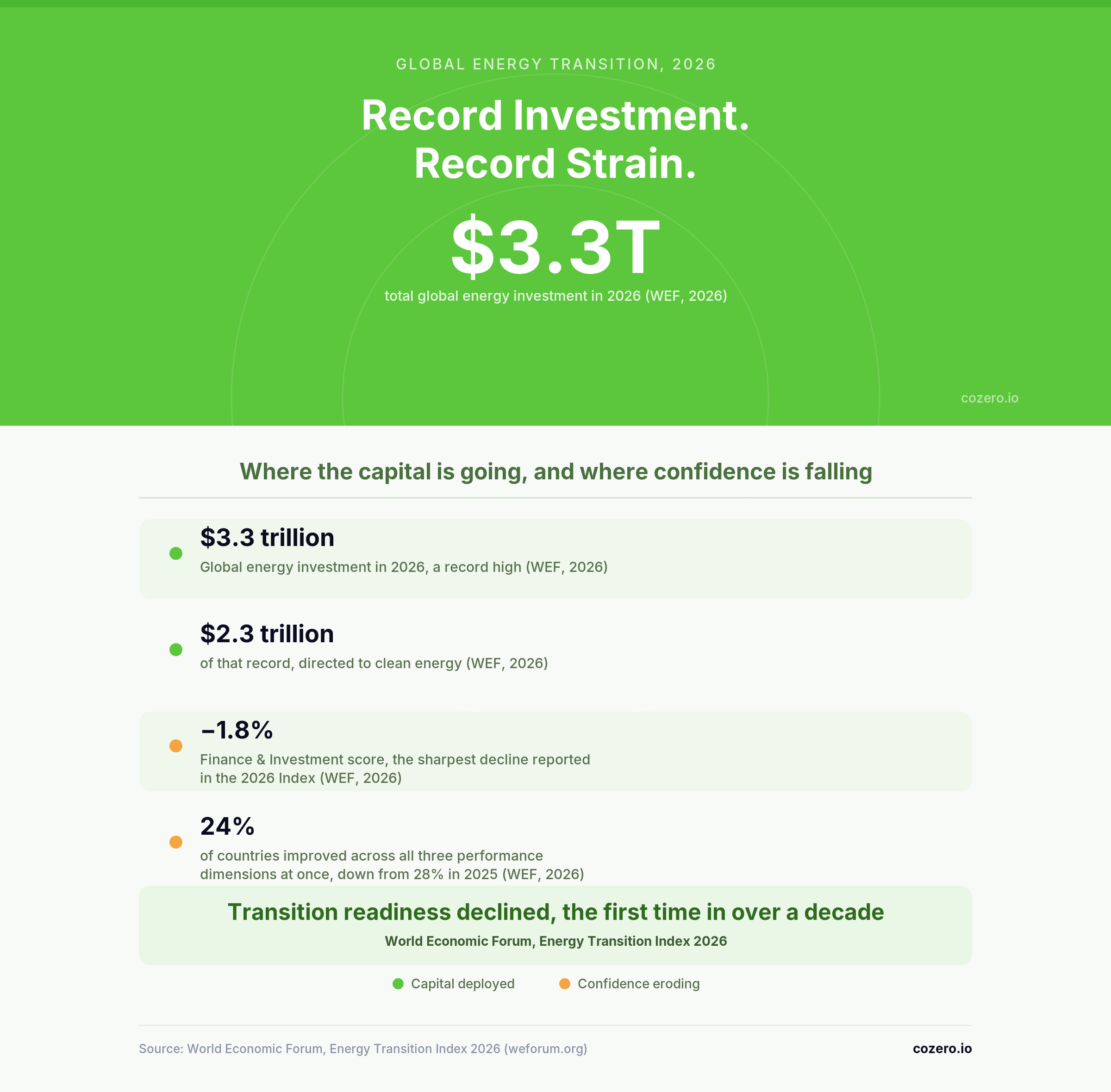
The World Economic Forum's 2026 Energy Transition Index (ETI), which benchmarks 120 countries on energy system performance and transition readiness, captures this tension clearly. Global energy investment hit a record $3.3 trillion in 2026, including $2.3 trillion directed toward clean energy. On paper, that's an extraordinary number. But it masks a more troubling trend: energy security deteriorated, and transition readiness declined for the first time in over a decade.
This points to a growing disconnect between how much capital is moving and whether the underlying conditions exist to deploy it effectively and keep it flowing.
The ETI measures countries based on three enabling factors that contribute to finance and investment improvements:
- Security: Energy diversification, infrastructure reliability and resilience.
- Equity: Access, affordability, and price stability with support for economic growth and development.
- Sustainability: Clean energy deployment, energy efficiency and emissions reduction
In 2026, 56% of countries improved their overall scores in 2026, but only 24% of countries improved across all three performance dimensions simultaneously, down from 28% in 2025.
Equity improved by 1.6%, helped by easing affordability pressures, though recent price shocks threaten to reverse those gains. Sustainability advanced by 0.6%, largely on the back of steady growth in clean energy's share of the mix. Energy security, meanwhile, was the only dimension to decline, falling 0.9%, with particular weakness in import diversification and grid reliability.
The ETI also measures transition readiness, which factors in finance and investment among other dimensions. Finance and investment saw the sharpest decline, dropping 1.8%. The evaluation noted that 75% of clean energy investment currently flows to a handful of markets, while the countries expected to drive 80% of future demand growth face financing costs two to three times higher than advanced economies.
Advanced economies continue to dominate the top rankings, claiming 14 of the top 20 spots for transition readiness. The Nordic countries (Sweden, Finland, Denmark, and Norway) rank highest for transition readiness with stable and strong performance across energy diversification, clean energy adoption, policy frameworks, and infrastructure.
The EU's Investment Gap
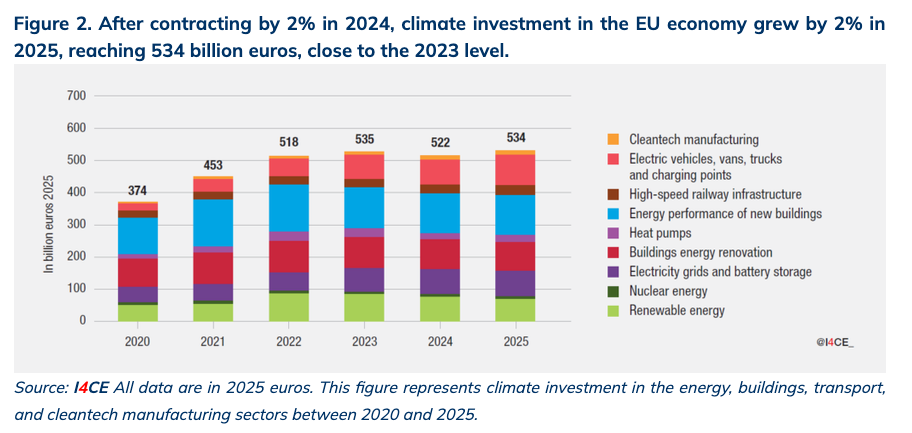
After a sharp rise in 2022 following the energy crisis triggered by the war in Ukraine, clean energy investment across the EU has largely stagnated, a pattern that research organisation Institute for Climate Economics (I4CE) attributes to a broader lack of long-term investment planning in its report: “The State of Europe's Climate Investment, 2026 Edition.”
At the height of the energy crisis, public decision-makers, businesses, and citizens ramped up investment to reduce fossil fuel dependence and improve energy efficiency. That investment was still insufficient even then, and since 2022, momentum has faded further.
The numbers illustrate the shortfall clearly. Investment in the EU's low-carbon transition reached €534 billion in 2025, covering only 61% of the roughly €878 billion needed annually to meet the bloc's 2030 climate targets.
There are some early signs of renewed momentum. An uptick in investment across certain sectors in early 2026 suggests the EU economy could ramp back up in response to the current energy price crisis.
But I4CE is clear that translating this into a sustained upward trend requires robust, long-term investment planning, not merely a reaction to crisis conditions. Beyond sustaining climate goals, that kind of forward-looking approach would also reduce the need for governments to deploy costly emergency measures to shield citizens and businesses from future energy price spikes.
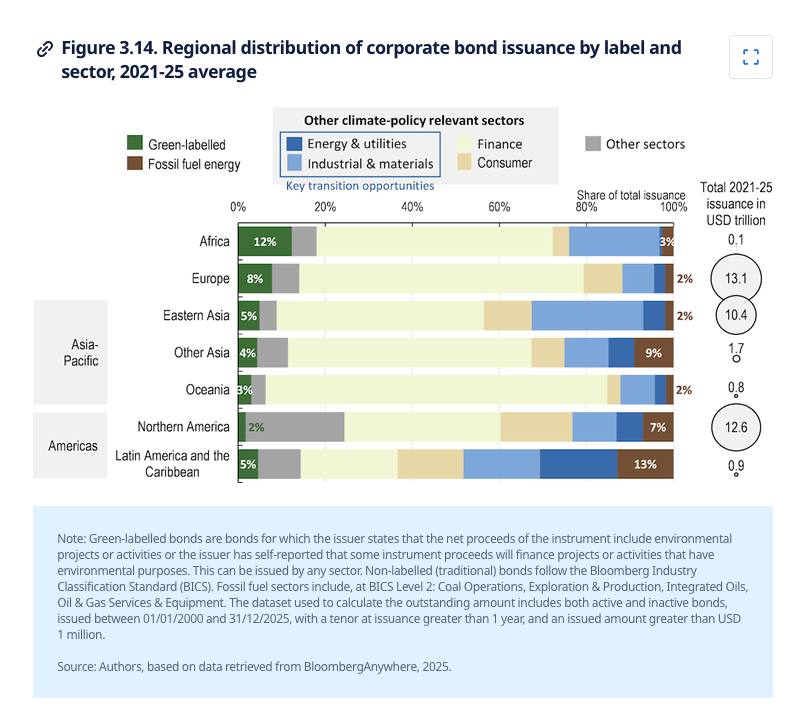
Public financing tools like green bonds show where some of this capital is flowing. Between 2021 and 2025, green bond issuance made up between 2% and 12% of total corporate bond issuance, varying significantly by region, according to OECD data.
Europe recorded 8% in green-labelled corporate bond issuance, which actually exceeded traditional bonds issued by fossil fuel companies. Europe was the single largest driver of green bond volumes globally, accounting for over half of all green bond issuance between 2021 and 2025.
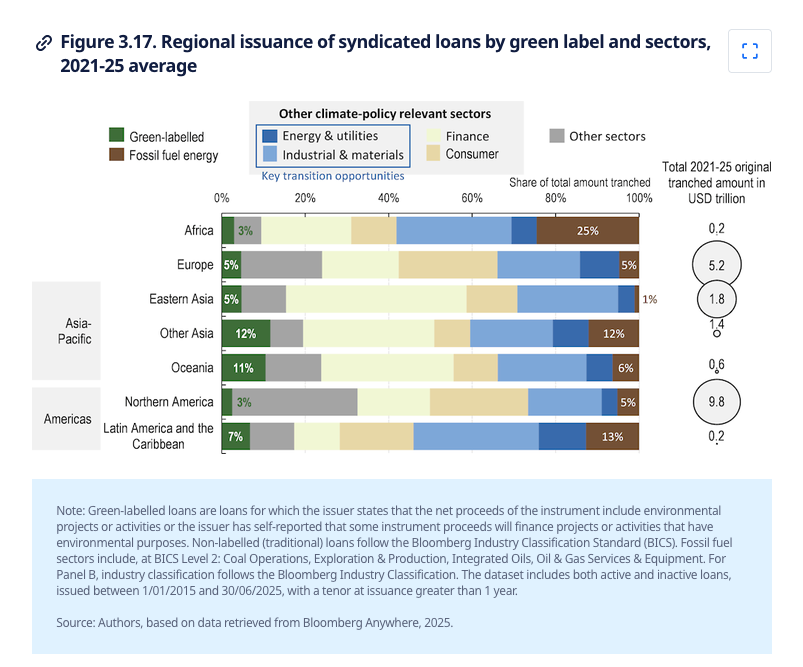
Europe's percentage of syndicated loans from the total was equivalent to fossil fuel loans at 5% on average from 2021 to 2025, both at smaller rates than the loan ratio across other sectors.
In 2026, an interesting announcement from the European Central Bank could shift how lenders evaluate the collateral used to back loans. The supervisory approach requires banks to apply Climate Risk Factors to assess the value of any collateral used to back corporate loans, an approach which had previously only applied to collateral backing bonds. Effective 15 June 2026, this affects roughly 30% of all collateral used to issue loans, with the potential to reduce the collateral value by up to 5%. The approach uses sector-specific stressors, exposure to transition-related uncertainties, and the credit claim residual maturity as evaluation factors. While not directly an impact on investment, the approach could affect how companies analyse the assets they choose to buy or sell.
What's Driving and Diverting Investment
Several forces are shaping the investment landscape simultaneously, and they don't all point in the same direction.
Fossil fuel price shocks remain a major catalyst for clean energy adoption and electrification. Closures to the Strait of Hormuz in 2026 intensified existing vulnerabilities. The World Economic Forum (WEF) notes that geopolitical fragmentation, rising energy demand, and concentrated investment flows are widening the gap between leading and lagging economies for the climate transition. This creates the need for investment strategies that don't only pinpoint one aim, such as sustainability. Embedding security, affordability, and resilience as core design principles across fuels, grids, supply chains, and critical minerals can improve system resilience, according to the WEF.
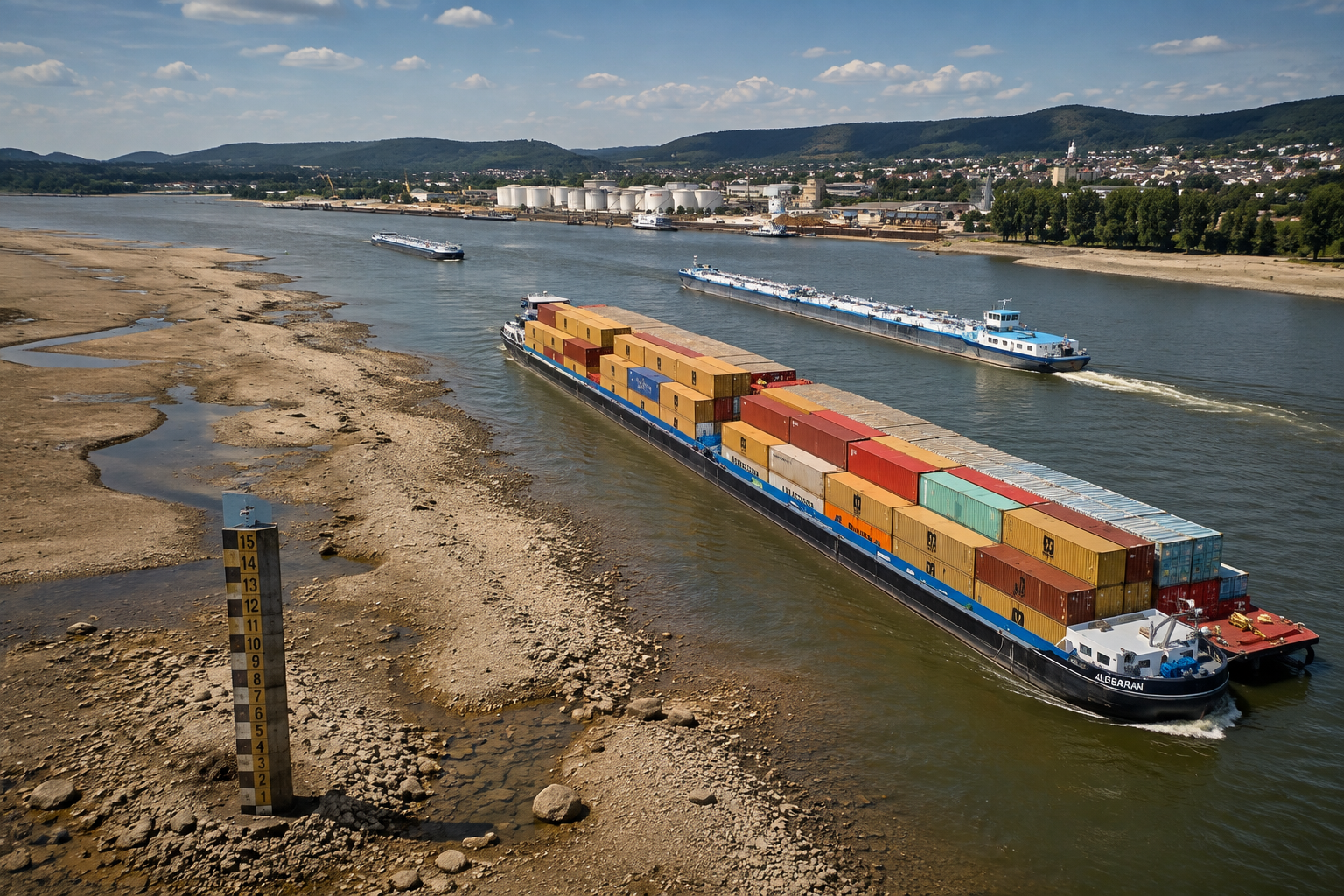
Climate change also creates economic dynamics that can affect investment decisions. Extreme heat and drought are wiping out expected growth in some regions, adding urgency to the case for adaptation and resilience investment alongside decarbonisation. The Carbon Border Adjustment Mechanism (CBAM) now taxes carbon emissions of imported products, so carbon pricing now plays a direct role in procurement.
Stable and Unstable Policy Conditions have affected the investment landscape in 2026. The EU's regulatory landscape, including the Omnibus simplification package for the Corporate Sustainability Reporting Directive (CSRD), the EU's Emissions Trading Scheme (ETS) and Carbon Border Adjustment Mechanism (CBAM) were all finalized in 2026. These changes have the potential to actively reshape the investment environment.
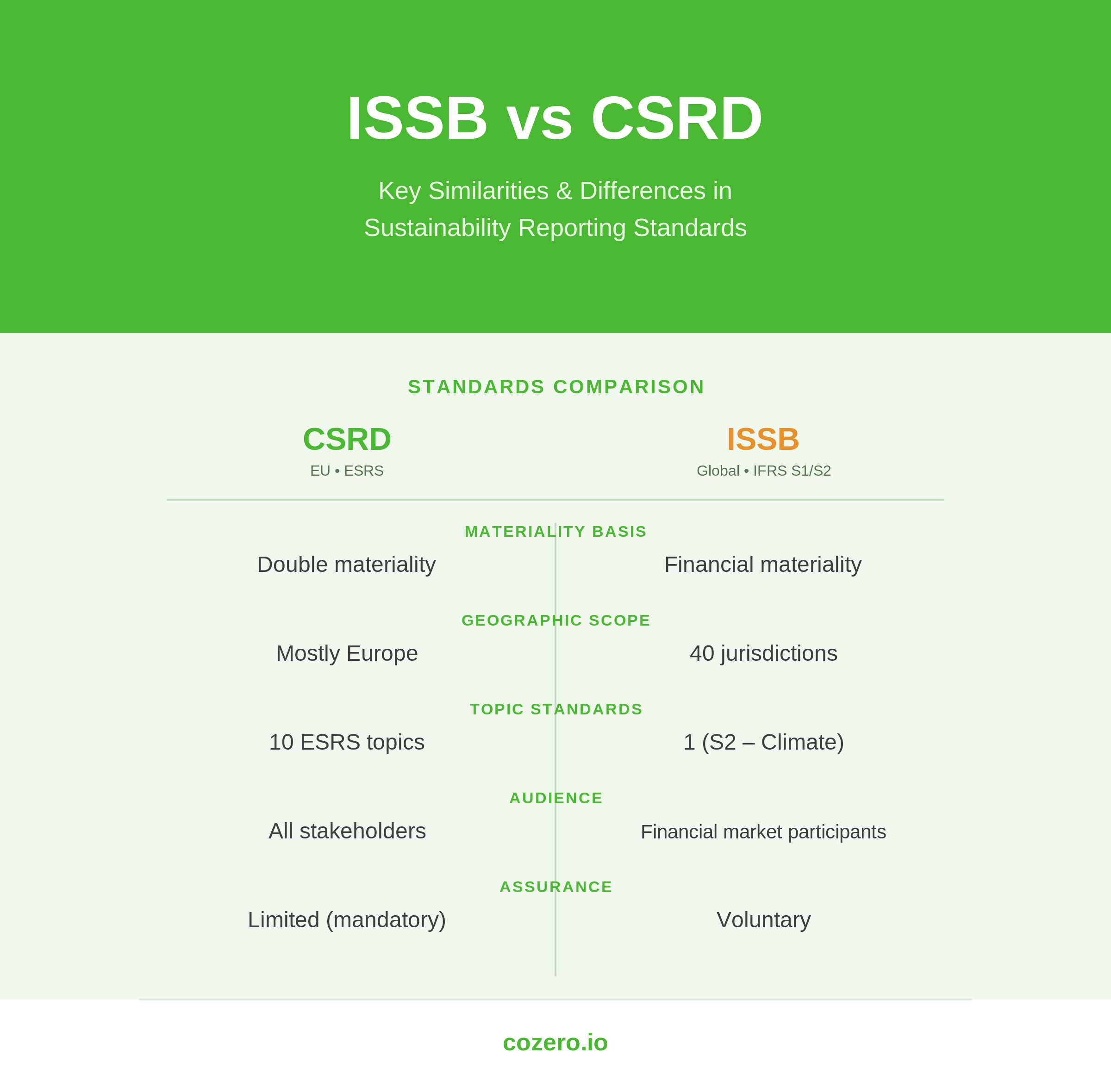
The Omnibus simplification package of CSRD aimed to reduce administrative burdens, but in the process, it also created a sense of policy whiplash. It reduced the scope of companies that need to comply with the directive by approximately 90% and the total content of the European Sustainability Reporting Standards (ESRS) that CSRD mandates by 70%. This gave mixed signals within the EU policy landscape as countries adopted the IFRS's ISSB standards globally, making many question the EU's sudden change of approach. Other policies related to carbon emissions have offered more stability in their outlook.
The ETS Review, the first of its kind since the ETS started in 2005, offered some clarity about carbon credit prices. With the Review the EU kept the mechanism intact as a key fixture of the policy landscape, while slowing the pace of the annual reduction cap from 3.7% annually from 2031-2035 and 1.7% annually from 2036-2040. While this means less incremental pressure on participating sectors to reduce emissions, it slows a key driver of climate transition investments.
The ETS could also prove significant from a clean industry investment boosting perspective. Through the ETS Review changes, the EU plans to mobilise €100 billion through a new Industrial Decarbonisation Bank and spark innovation from an ETS Innovation Fund. EU countries are now required to use 50% of their national ETS revenues to decarbonise energy-intensive sectors covered by the ETS with the potential to mobilise €100 billion in investments before 2030.
Stable policy contributes to stronger investment conditions. Long-term strategies give investors and businesses stable signals and stronger assurance about their investment decisions.
Where the Capital is Going
Looking at sector-level data reveals just how uneven progress really is. Between 2021 and 2025, low-carbon energy investment outpaced fossil fuel investment across Asia-Pacific, Europe, and North America, with clean energy investment in all three regions significantly higher in this period than between 2016 and 2020.
Within Europe specifically, I4CE's sector analysis shows a split market. Solar power, battery storage, public charging infrastructure for light-duty vehicles, and cleantech manufacturing are all on track or ahead of their 2030 targets, reflecting effective policy design paired with strong underlying demand.
Wind energy tells a very different story: 2025 investment reached just 25% of identified needs. A major driver of that shortfall is the electricity grid investment gap. Even though grid investment reached 78% of requirements in 2025, it remains a critical bottleneck constraining progress across nearly every other sector, from renewables deployment to end-use electrification.
The WEF's infrastructure recommendation reinforces this point, calling for accelerated grid expansion, streamlined permitting, and urgent action on the more than 2,500 gigawatts of projects currently stalled in global connection queues.
Addressing Capital Needs Beyond Start-up Seed Funding
For some analysts, Europe's challenge lies in the assembly not of its policies or sector-specific investment approaches, but the deployment strategies of finance across growth stages of climate-related investments, noting that seed capital is available but capital falls away after companies grow. With hardware-intensive sustainability and infrastructure investments needed for the climate transition requires a longer period of stable interest rates, unlike needs for fast growing technology start-ups.
Venture capital and infrastructure investors also view investments through different lenses with different valuation approaches, creating fragmentation in approaches across fundraising rounds. Professor Ioannis Ioannou of the London Business School claims Europe needs to invest in the boring adoption of scalable solutions, not just invention. He also thinks it should consider where to invest along the supply chain to play a key role in sustainability deployment and how to create exit markets for maturing investments.
The Cost-Optimal Path Requires Intervention
Even a technically "optimal" transition pathway doesn't fund itself automatically. McKinsey's cost-optimal scenario for EU net-zero estimates that roughly half of the €28 trillion in required capital outlay would not, on its own, generate a positive investment case for the businesses and consumers making the actual spending decisions.
That's not necessarily because the investments lack merit at a system level. McKinsey's pathway optimises for net system-level costs under a societal discount rate. However, individual investment decisions get made based on each stakeholder's own cost of capital and payback expectations, which often diverge sharply from what's optimal at a societal scale. Car buyers, for instance, tend to focus more on upfront purchase price than total cost of ownership, and the same holds true for decision-makers in businesses.
Shifting towards a perspective that includes multiple decision-making factors, such as investment timing, price shifts, ROI and carbon emissions helps improve the underlying investment decision-making framework and lead to more disciplined and defensible decisions. Cozero supports companies by providing better financial analysis tools to evaluate the full picture of climate-related investments.
This gap varies dramatically by sector. According to McKinsey's analysis, 95% of industrial capital expenditures currently lack a positive standalone business case, compared to 85% for buildings, 46% for power, 36% for transportation, and just 11% for agriculture. Targeted policy intervention and incentives can play a large role in driving the capital needed for net zero. If 2026 has shown us anything, it's that capital won't materialise on its own and bankability is key.
The Strategic Takeaway for Businesses
Taken together, these trends point to one conclusion: 2026 is not a year where climate investment can be treated as separate from core financial strategy. Economic pressures, from energy price volatility to shifting regulation, are forcing companies to combine carbon emissions impact with financial stability and resilience into the same strategic planning process.
That means firm-level scenario planning needs to evolve. Companies can no longer rely on static assumptions about payback periods or cost of capital when evaluating decarbonisation investments. They need frameworks that account for policy uncertainty, sector-specific investment gaps, and the real financial trade-offs their industry is facing.
The businesses that build this integrated view now, rather than reacting to the next price shock, will be the ones positioned to capture the opportunities this transition still holds.
Cozero's Act module is designed to analyse forward-looking dynamics with current financial and carbon emissions data from your organisation. As a strategic decision-making layer to your standard carbon accounting workflows, it connects sustainability managers with the C-suite where decarbonisation decisions affecting the bottom-line are made.
Get in touch for a demo.
Related articles